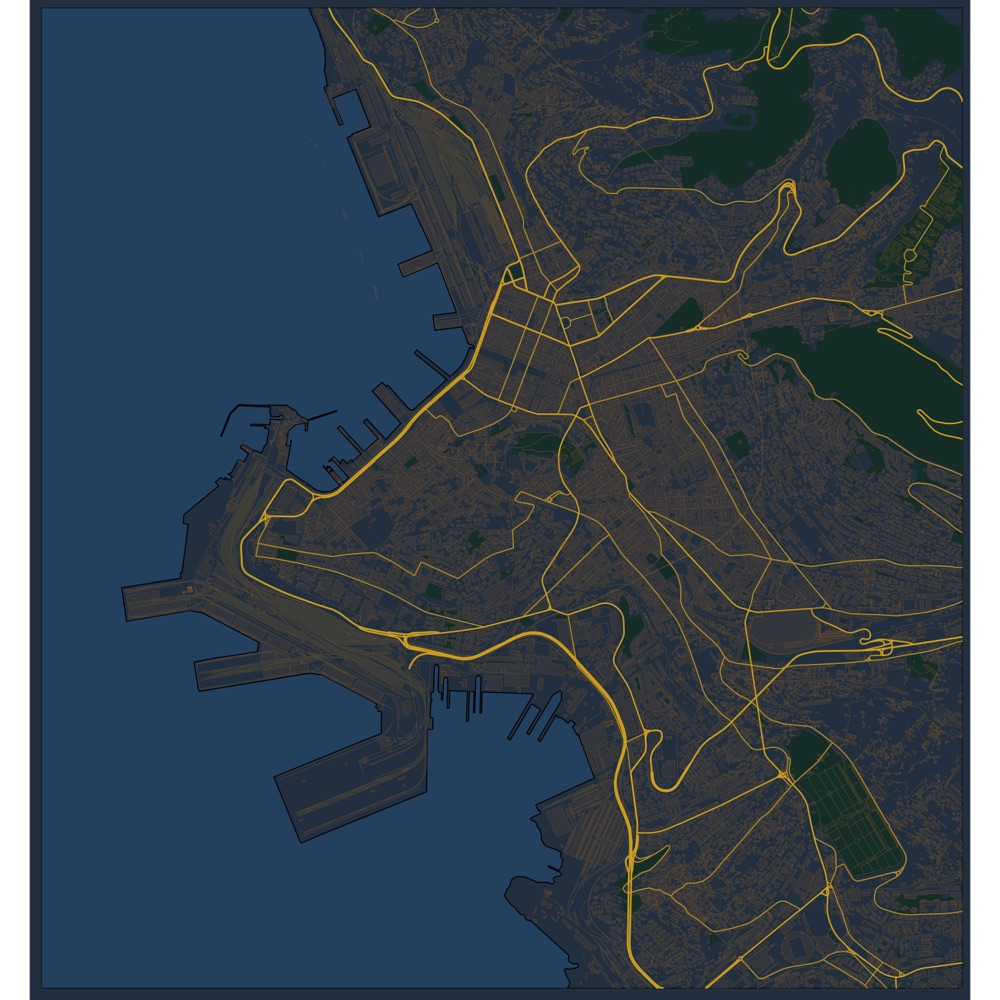
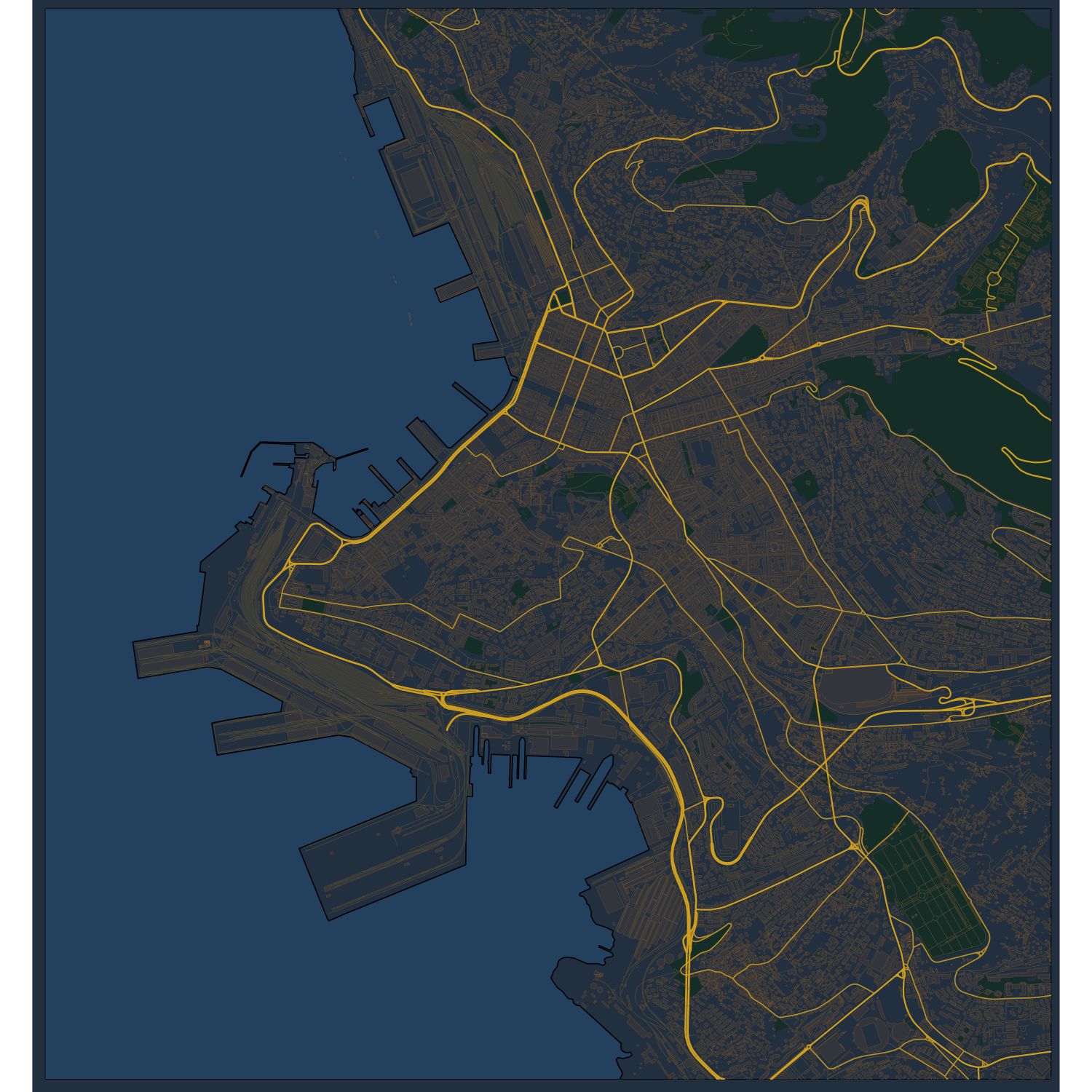
library(sf)library(foreign)library(tidyverse)library(lwgeom)library(stringi)options(stringsAsFactors =FALSE)# download SHP files for region, e.g. from Geofabrik# http://download.geofabrik.de/europe/italy/nord-est.htmlbuildings_a <-read_sf('gis_osm_buildings_a_free_1.shp')landuse_a <-read_sf('gis_osm_landuse_a_free_1.shp')natural <-read_sf('gis_osm_natural_free_1.shp')natural_a <-read_sf('gis_osm_natural_a_free_1.shp')railways <-read_sf('gis_osm_railways_free_1.shp')roads <-read_sf('gis_osm_roads_free_1.shp')traffic <-read_sf('gis_osm_traffic_free_1.shp')traffic_a <-read_sf('gis_osm_traffic_a_free_1.shp')transport <-read_sf('gis_osm_transport_free_1.shp')transport_a <-read_sf('gis_osm_transport_a_free_1.shp')water_a <-read_sf('gis_osm_water_a_free_1.shp')waterways <-read_sf('gis_osm_waterways_free_1.shp')# download the country boundaries as SHP file# https://wambachers-osm.website/boundaries/# we need it once with the border along the land area and once inside the water# because the sea is not annotated in any of the other SHP files and if we draw# the background blue, there will also be a blue border around the whole map.# this trick is only possible because we have zoomed into the map far enough# that all the parts of the sea seen in it still belong to Italy and therefore,# when downloading the border of Italy including the water, we can use that to# draw the sea and then the land on topcountry_boundaries <-read_sf('country_boundaries/Italy_AL2.shp')country_boundaries_with_water <-read_sf('country_boundaries_with_water/Italy_AL2.shp')coordinates_box <-c( xmin =13.738060, ymin =45.620521, xmax =13.804836, ymax =45.670204)box <-list( coordinates = coordinates_box, buildings_a =st_crop(buildings_a, coordinates_box), landuse_a =st_crop(landuse_a, coordinates_box), natural =st_crop(natural, coordinates_box), natural_a =st_crop(natural_a, coordinates_box), railways =st_crop(railways, coordinates_box), roads =st_crop(roads, coordinates_box), traffic =st_crop(traffic, coordinates_box), traffic_a =st_crop(traffic_a, coordinates_box), transport =st_crop(transport, coordinates_box), transport_a =st_crop(transport_a, coordinates_box), water_a =st_crop(water_a, coordinates_box), waterways =st_crop(waterways, coordinates_box) country_boundaries =st_crop(country_boundaries, coordinates_box), country_boundaries_with_water =st_crop(country_boundaries_with_water, coordinates_box))# makes it easier to come back to it latersaveRDS(box,'box.rds')blankbg <-theme( axis.line =element_blank(), axis.text.x =element_blank(), axis.text.y =element_blank(), axis.ticks =element_blank(), axis.title.x =element_blank(), axis.title.y =element_blank(), panel.background =element_blank(), panel.border =element_blank(), panel.grid.major =element_blank(), panel.grid.minor =element_blank(), plot.background =element_blank(),)p <-ggplot()+geom_sf(data = box$country_boundaries_with_water, color ='black', size =0.35, fill ='#78b1e4')+geom_sf(data = box$country_boundaries, color ='black', size =0.35, fill ='white')+geom_sf(data = box$water_a %>% dplyr::filter(fclass %in%c('water')), size =0, fill ='#78b1e4')+geom_sf(data = box$landuse_a %>%filter(fclass %in%c('grass','cemetery','forest','park')), size =0, fill ='#65b8a2')+geom_sf(data = box$roads %>% dplyr::filter(fclass %in%c('unclassified','service','residential')), color ='black', size =0.15)+geom_sf(data = box$railways, size =0.15, color ='black')+geom_sf(data = box$roads %>% dplyr::filter(fclass %in%c('primary','primary_link','motorway','motorway_link','trunk','trunk_link')), color ='black', size =0.6)+geom_sf(data = box$roads %>% dplyr::filter(fclass %in%c('secondary','secondary_link')), color ='black', size =0.5)+geom_sf(data = box$roads %>% dplyr::filter(fclass %in%c('tertiary','tertiary_link')), color ='black', size =0.4)+geom_sf(data = box$buildings_a, color ='#7f8c8d', alpha =0.5, size =0.05, fill ='#7f8c8d')+ blankbg +theme(plot.background =element_rect(fill ='white', color =NA))+coord_sf(xlim = box$coordinates[c(1,3)], ylim = box$coordinates[c(2,4)], expand =FALSE)ggsave('trieste_light.png', p, scale =1, width =10, height =10, units ='in', dpi =150)
Dark version
library(sf)library(foreign)library(tidyverse)library(lwgeom)library(stringi)options(stringsAsFactors =FALSE)# load from previous code blockbox <-readRDS('box.rds')blankbg <-theme( axis.line =element_blank(), axis.text.x =element_blank(), axis.text.y =element_blank(), axis.ticks =element_blank(), axis.title.x =element_blank(), axis.title.y =element_blank(), panel.background =element_blank(), panel.border =element_blank(), panel.grid.major =element_blank(), panel.grid.minor =element_blank(), plot.background =element_blank(),)p <-ggplot()+geom_sf(data = box$country_boundaries_with_water, color ='black', size =0.35, fill ='#2d5272')+geom_sf(data = box$country_boundaries, color ='black', size =0.35, fill ='#2c3e50')+geom_sf(data = box$water_a %>% dplyr::filter(fclass %in%c('water')), size =0, fill ='#2d5272')+geom_sf(data = box$landuse_a %>%filter(fclass %in%c('grass','cemetery','forest','park')), size =0, fill ='#183b32')+geom_sf(data = box$roads %>% dplyr::filter(fclass %in%c('unclassified','service','residential')), color ='#6d5f43', size =0.15)+geom_sf(data = box$railways, size =0.15, color ='#6d5f43')+geom_sf(data = box$roads %>% dplyr::filter(fclass %in%c('tertiary','tertiary_link')), color ='#c39c30', size =0.4)+geom_sf(data = box$roads %>% dplyr::filter(fclass %in%c('secondary','secondary_link')), color ='#d9ac25', size =0.5)+geom_sf(data = box$roads %>% dplyr::filter(fclass %in%c('primary','primary_link','motorway','motorway_link','trunk','trunk_link')), color ='#d9ac25', size =0.6)+geom_sf(data = box$buildings_a, color ='#cb862b', alpha =0.25, size =0.05, fill ='#7c5c3f')+ blankbg +theme(plot.background =element_rect(fill ='#2c3e50', color =NA))+coord_sf(xlim = box$coordinates[c(1,3)], ylim = box$coordinates[c(2,4)], expand =FALSE)ggsave('trieste_dark.png', p, scale =1, width =10, height =10, units ='in', dpi =150)
library(tidyverse)library(Seurat)# create color palette from flatuicolors.comcolors_dutch <-c('#FFC312','#C4E538','#12CBC4','#FDA7DF','#ED4C67','#F79F1F','#A3CB38','#1289A7','#D980FA','#B53471','#EE5A24','#009432','#0652DD','#9980FA','#833471','#EA2027','#006266','#1B1464','#5758BB','#6F1E51')colors_spanish <-c('#40407a','#706fd3','#f7f1e3','#34ace0','#33d9b2','#2c2c54','#474787','#aaa69d','#227093','#218c74','#ff5252','#ff793f','#d1ccc0','#ffb142','#ffda79','#b33939','#cd6133','#84817a','#cc8e35','#ccae62')custom_colors <-c(colors_dutch, colors_spanish)# load a single cell expression data set (generated in the lab I work at)seurat <-readRDS('seurat.rds')# calculate center position for each clusterUMAP_centers_cluster <-tibble( UMAP_1 =as.data.frame(seurat@reductions$UMAP@cell.embeddings)$UMAP_1, UMAP_2 =as.data.frame(seurat@reductions$UMAP@cell.embeddings)$UMAP_2, cluster = seurat@meta.data$seurat_clusters
)%>%group_by(cluster)%>%summarize(x =median(UMAP_1), y =median(UMAP_2))# plotp <-bind_cols(seurat@meta.data,as.data.frame(seurat@reductions$UMAP@cell.embeddings))%>%ggplot(aes(UMAP_1, UMAP_2, color = seurat_clusters))+geom_point(size =0.2)+geom_label( data = UMAP_centers_cluster, mapping =aes(x, y, label = cluster), size =4.5, fill ='white', color ='black', fontface ='bold', alpha =0.5, show.legend =FALSE)+theme_bw()+scale_color_manual(values = custom_colors)+labs(color ='Cluster')+coord_fixed()+guides(colour =guide_legend(ncol =1, override.aes =list(size =2)))+theme(legend.position ='right')ggsave('3.png', p, height =7, width =7)